
Jump to start of page content
Scottish Arts Council - Link to home page

 
advanced search

Please Note:

As from 1 July 2010, this site will no longer be updated and will be retained for Archive purposes only.

For the latest information on the Arts, Creative Industries and Film & TV in Scotland please visit:

www.creativescotland.com
Home*Arts in Scotland*Gaelic*English translation
Home
About us
Contact us
Latest news
Arts in Scotland
International
Showcase
What's on
16 24 explore
Professional
Information
Jobs
Funding
Web help
Site map

Gaelic

(an English translation)

Gaelic is a vital and living part of Scotland’s diverse cultural heritage.   At the 2001 census, approximately 1.9% of people in Scotland aged 2 years and over identified themselves as speaking, reading, writing or understanding Gaelic.

Historically, it has been difficult for Gaels to sustain the language, particularly since schoolchildren were taught in English.   This is no longer the case and the Scottish Executive actively supports both English and Gaelic-medium education.   The emigration of many Gaels, particularly during the nineteenth century, means that Gaelic speakers can be found elsewhere in the world, eg Canada. 

Like other language communities, the Gaels have developed many distinct forms of artistic expression.  Metrical psalm singing, port-a-beul mouth music, step dancing and the waulking songs of the old tweed makers are amongst the jewels in Scotland’s cultural crown.

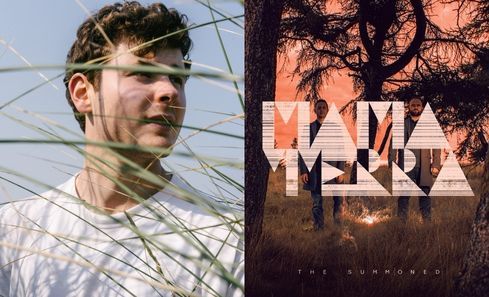
The ancient bardic traditions of the Celts continue to find contemporary expression in the works of our modern Gaelic poets.  Popular bands like Runrig, Capercaillie, Martyn Bennett, Cliar, Ishbel MacAskill, Allan MacDonald and Alyth MacCormack have allowed many from outside the Gaidhealtachd (Gaelic-speaking area of Scotland, mainly in the Highlands and Islands) to become familiar with the rhythms and cadences of Gaelic speech and music.

In so many ways, Scotland’s cultural distinctiveness is firmly bound up with Gaelic.  By providing funds and encouraging development, the Scottish Arts Council is determined to ensure that the Gaelic arts maintain a place at the heart of the nation’s cultural life.  We also acknowledge the vital and central relationship of language and arts to the nation’s culture and identity.

Gaelic has been recognised by the European Union under the Universal Declaration of Linguistic Rights, which received official sanction by UNESCO in June 1996.  Bòrd na Gàidhlig (Alba), the Gaelic Development Agency, was established in 2003 by the Scottish Executive to help secure the future for Gaelic.

Related links
* Gaelic homepage
* Gaelic links
 
Lighting gantry; Photo Michael Wolchover
WASPS studio spaces prop; Photo: Michael Wolchover
Cables; Photo Michael Wolchover
Hair and makeup backstage; Photo Alan McAteer
Hidden Gardens NVA; Photo: Renzo Mazzolini
top of page print this page - opens in new window send to a friend  
Awarding funds from The National Lottery

© Scottish Arts Council. All rights reserved. Terms & conditions | Accessibility information