
Theatre Style: Physical theatre
This month’s featured theatre style is not so much a genre as a collective term for aspects of theatre.
It incorporates many movement based theatre forms, with ‘incredibly diverse companies adopting the term to describe themselves’.
So wide is the range of styles and influences clustered under the term, the usefulness of a definition may be challenged. In deed, a concept embraced by physical theatre is that theatre can be produced without the confines of definition of the artform. Theatre practitioners involved in physical styles often positively reject the term.
|
Some attempt to describe physical theatre as ‘about the reinvigoration of theatre practice’. Text is one component of the work, but the importance of non-text elements – visual as well as physical - are weighty. Not just decorative or complementary, they shape the content as well as the context of the piece. |
 |
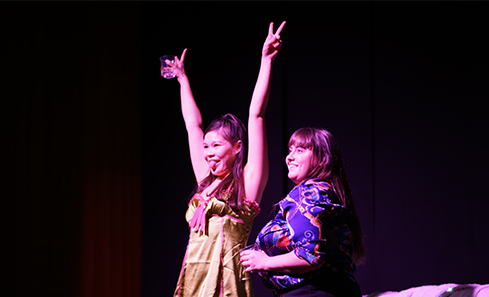
 Image courtesy of te POOKa
| Each production can be unique. For this reason, the audience often leaves a performance with their concept of physical theatre tied to what they have just seen.
 |
 |
More than just a crossover between theatre and dance, the non-text elements may include:
- Mime
- Acrobatics and other circus skills
- Mask
- Commedia
- Visual theatre
as well as dance, and what ever else might add to the piece. |
The idea is to relate the body to the theatrical space around them. Traditional theatre appeals on a mental and often emotional level. Physical theatre, however, appeals on a physical and emotional level. It can aim to provide a more immediate and encompassing theatre experience.
Companies that have created physical productions with support from the Scottish Arts Council include:
- te POOKa, an Edinburgh-based Arts Company. They specialise not only in physical theatre but in world-class fire performance, music, drumming & percussion, workshops and educational outreach programs across Scotland, the U.K and abroad.
|
 |
 Image courtesy of te POOKa
| Their 2004 touring production Cabaret Sauté, was inspired by 'Indian dance, Brazilian beats, Spinal Tap, international espionage and violent bovines'. It included 'mesmerising contact juggling, trademark slick and synchronised fire routines, utterly ridiculous 12-foot fire staffs, and the ever impressive te POOKa Drummers'.
- Northumberland-based Théâtre Sans Frontières aim to break language barriers through their highly physical and visual theatre productions. They were supported by the Scottish Arts Council to tour through Scotland. One such touring production was Aladin et La Lampe Enchantée - a 'cheekily inventive and understandable bilingual reading of one of the most fantastical yarns to capture imaginations of young and old'. (Neil Cooper, The Glasgow Herald, 6 May 2004)
|